French-speaking audiences are among the most demanding viewers in the world. France has a long tradition of film criticism, a strong dubbing industry and strict broadcasting rules. Belgium, Switzerland and Quebec add their own expectations. For producers and distributors, getting French right is essential to succeed in these markets.
This article covers what to consider when translating TV content into French, from subtitles and dubbing scripts to metadata and marketing.
Subtitles or Dubbing
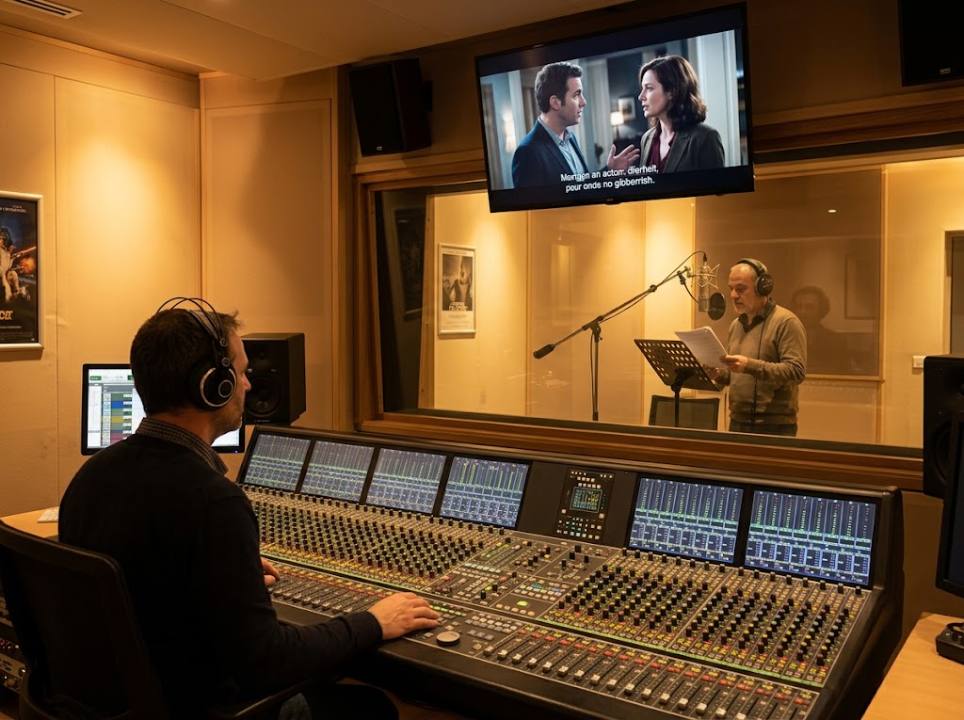
France is traditionally a dubbing market for mainstream television and cinema, although subtitled versions have become common on streaming platforms. Many services offer both. Dubbing requires a script adapted for lip synchronisation, while subtitles require condensation to fit reading speed and screen space. These are different skills, and the best results come from specialists in each.
Subtitle Conventions in French
French subtitles follow specific typographic conventions, including non-breaking spaces before certain punctuation marks, particular use of quotation marks and rules for dialogue dashes. Line length and reading speed limits apply. A subtitler must condense dialogue without losing meaning, humour or character voice, often cutting a third of the words.
Regulation and Broadcasting Rules
In France, broadcasters are subject to rules on language use, accessibility and content classification overseen by Arcom, the audiovisual regulator. Accessibility captions for deaf and hard-of-hearing viewers are expected for many programmes. Distributors should check which obligations apply to their content and channel.
France, Belgium, Switzerland and Quebec
French varies across regions. Quebec audiences expect French Canadian vocabulary and sometimes a separate dub. French Canadian translation services adapt subtitles, metadata and marketing to Quebec usage, which differs noticeably in everyday expressions, anglicisms and cultural references. For many releases, one version for Europe and one for Canada is the safest approach.
Metadata and Marketing
Titles, episode synopses, cast descriptions, trailers, posters and social media content all need translation, and they shape the first impression. A literal translation of an English title rarely works. Marketing copy should be adapted to French tastes, often more understated and elegant than English promotional language. Professional French translation services with marketing experience make a real difference here.
Terminology Across Seasons
Series create their own vocabulary: character nicknames, invented places, recurring phrases. Consistency across episodes and seasons matters to fans. Subtitlers and script adapters work best with a shared glossary and translation memory software that stores approved lines, so the same catchphrase is rendered identically in episode one and episode forty.
Corporate and Educational Video
Not all video is entertainment. Companies produce training modules, product demos and internal communications that need French versions for staff in France, Belgium, Switzerland or Canada. English to French translation services for these videos focus on clarity and accuracy, with correct technical terminology and a tone suited to the company culture.
Other Languages in the Same Release
French is often one of many launch languages. Documentaries and educational series frequently add Eastern European versions, and an English Ukrainian translation team can work from the same glossary and style decisions made for French, keeping names and terms consistent across markets.
Humour and Cultural References
Comedy is the hardest genre to translate. Jokes built on English wordplay, American pop culture or British class references rarely land in French when translated literally. Skilled adapters look for equivalent jokes that create the same effect, sometimes replacing a reference entirely with one French viewers will recognise. The same applies to songs, slang and regional accents. These choices require creativity and cultural knowledge, and they are where experienced audiovisual translators truly earn their fees.
Budget and Timeline
Subtitling is priced per programme minute or per subtitle, dubbing per minute plus studio and actor costs. Metadata and marketing are usually priced per word. For a series launch, plan translation early in post-production. Late picture locks and script changes are common, so build in time for revisions and a final review before delivery to platforms.
Quality Control
A good workflow includes translation, a linguistic review by a second native speaker and a technical check of timing and formatting. For dubbing, a director and actors add another layer of adaptation. For subtitles, a final viewing with the video is essential to catch lines that read well on paper but not on screen.
Accessibility Captions
Captions for deaf and hard-of-hearing viewers go beyond dialogue. They describe sounds, music and speaker changes, following their own conventions in French. Planning them together with translated subtitles saves time and ensures consistency across every version of the programme.
Choosing a Partner
Look for native French linguists with audiovisual experience, knowledge of regional variants, familiarity with broadcast requirements and a clear quality process. PoliLingua's French translation services cover audiovisual, marketing, corporate and technical content, including French Canadian adaptation.
The Takeaway
French audiences notice every detail. Respect their language, their conventions and their regional differences, and your content will feel native rather than imported.